
When a Crash Changes Everything: What Victims Must Know to Reclaim Control and Seek Justice


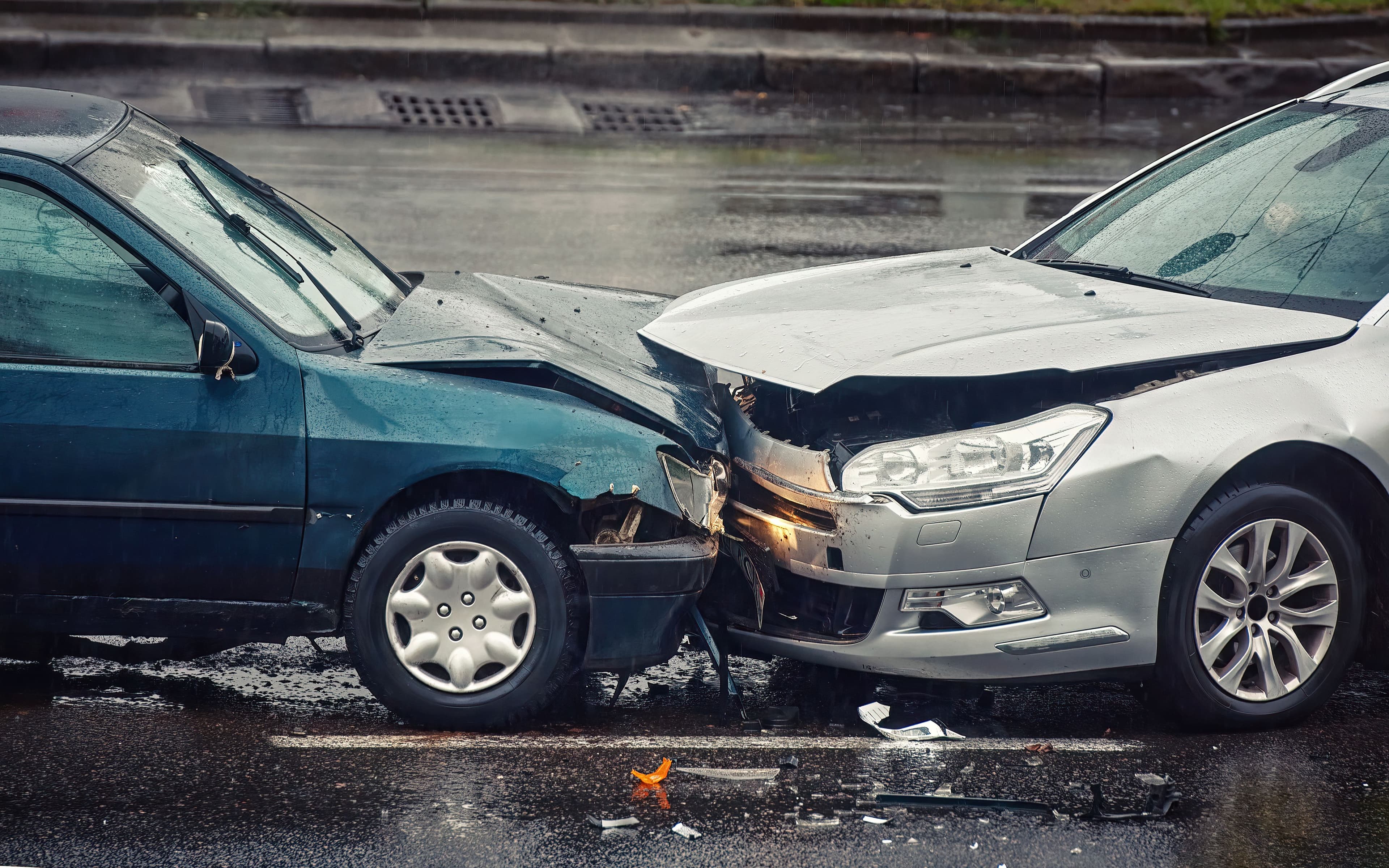
Few events are as jarring as a motor vehicle collision. One moment, life is predictable. The next, metal screeches, impact shakes the body, and time seems to fracture. Even after the noise fades and the scene empties, victims are left with the weight of the experience — pain that wasn’t there before, questions without clear answers, and a sudden awareness that their life has been altered.
No one truly prepares for a crash. Yet the aftermath demands clarity, strength, and guidance, especially when injuries begin to surface, insurance calls start coming in, and everyday routines suddenly feel unfamiliar. Understanding your rights is not just helpful — it’s essential.
How Serious Crashes Happen — And Why They’re Preventable
Most collisions stem from choices, not chance. Someone drives too fast on a wet road, glances at their phone instead of the traffic ahead, or gets behind the wheel despite being tired or impaired. These moments of negligence create dangerous situations that innocent drivers and passengers end up paying for.
Although every crash is unique, many share common causes:
- Distracted driving, especially texting
- Speeding or aggressive driving
- Driving under the influence of alcohol or drugs
- Failure to yield or obey signals
- Poor vehicle maintenance or defective parts
- Inexperienced or fatigued drivers
These behaviors turn roadways — places meant to connect us — into unpredictable environments. When negligence causes harm, the law provides a path to justice.
The Human Impact of a Serious Collision
After a crash, victims often experience far more than visible injuries. Pain may worsen over hours or days as adrenaline fades. Simple tasks like sleeping, bending, or driving again may become difficult. Headaches, dizziness, and limited mobility are common — and so is emotional trauma.
Many victims describe feelings such as:
- Anxiety or fear when riding in a car
- Difficulty focusing or sleeping
- Shock or emotional numbness
- Frustration about physical limitations
- Stress about missing work or paying bills
This emotional fallout is real and deserves attention. Recovery involves both body and mind.
The Insurance System Is Not Designed to Help Victims
In the middle of pain and confusion, insurance companies begin calling. Their representatives may sound friendly, but their intentions are often very different from what victims expect.
Insurance companies may:
- Push victims to give recorded statements
- Ask misleading questions to reduce liability
- Suggest the injuries are exaggerated
- Offer quick, inadequate settlements
- Delay processing to pressure victims into giving up
- Blame preexisting conditions
These tactics are strategic. Insurers aim to protect their profits — not the victim’s well-being.
This is why having legal representation early can dramatically change the outcome. Victims should never feel pressured to negotiate alone.
Why Documenting the Aftermath Matters
Building a strong case requires clear evidence of what changed in the victim’s life. While victims focus on healing, critical details can slip through the cracks unless documented.
Helpful documentation includes:
- Medical visits, diagnoses, and treatment plans
- Photos of injuries or vehicle damage
- Journals describing pain, sleep issues, or limitations
- Work records showing missed hours or reduced duties
- Receipts for related expenses
This information helps paint a complete picture of the victim’s challenges and strengthens their claim for compensation.
How Haslam Law Firm Helps Crash Victims Rebuild
Haslam Law Firm understands the overwhelming nature of post-crash recovery. The firm’s role is to take on the burden of legal and insurance battles so the victim can focus on healing.
The firm’s support often includes:
- Investigating the crash and gathering crucial evidence
- Reviewing medical records to understand injuries fully
- Working with experts to establish liability
- Negotiating assertively with insurers
- Pursuing compensation for both present and future needs
- Preparing for trial when settlement offers are unfair
This comprehensive approach ensures victims do not face the process alone — or unprotected.
The Compensation Victims May Receive
Motor vehicle accident claims consider both immediate and long-term effects of a crash. Victims may be entitled to compensation for:
- Medical treatment, rehabilitation, and future care
- Lost income and reduced earning capacity
- Pain, suffering, and emotional distress
- Property damage and transportation costs
- Long-term disabilities or lifestyle changes
Compensation acknowledges the full impact of the crash — both physical and emotional — and helps victims rebuild their sense of security.
Moving Forward After a Crash
Recovery is rarely straightforward. It is a journey made of progress and setbacks, hope and frustration. But with the right support, victims can regain stability, pursue justice, and look toward the future with renewed confidence.
A crash may disrupt life, but it does not have to define it. With clear guidance, strong advocacy, and a commitment to accountability, victims can reclaim control over their lives.
Haslam Law Firm stands beside crash survivors, offering protection, clarity, and the strength needed to move forward after trauma.
No Cost. No Pressure.
Get a Free Evaluation
Find out where your case stands with a free, no-obligation
evaluation from our legal team.

 750+
750+Clients Represented